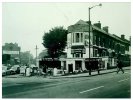
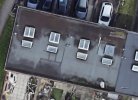
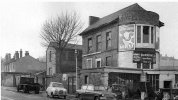
hi folks i have been on my favourite map site again travelling around birmingham visiting different roads and streets where the houses are long gone..many of them good sturdy houses that could have been saved .. as an example i have photo here of the corner of claremont road and soho hill close to where i grew up so i put it in the map search box then moved the blue dot to the left to see what was there today..its just amazing to see how many houses and buildings we have lost all over birmingham due to new roads being built..where these buildings were is where the duel carriageway is now..today there is just not enough ground space for new houses so they have to build up as high as they can and put people in boring dull drab high rises that nobody wants or can afford especially those with young children ..no gardens no neighbours to pass the time of day over the garden fence.. no corner shops..no pubs no community spirit...all i can say is thank god i grew up with all that and i find it so sad that in some ways the way people live now has not changed for the better and yes we must have progress but at what cost..just my own thoughts sorry for the moan  i will shut up now
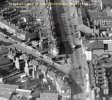
  ..below is the photo i mentioned and also below the link to the map site showing the position of the photo..just move the blue dot to the left..pretty sure on the right of the photo i can see the roof of the palladium cinema on soho hill which is just about still standing
lyn
i will shut up now ..below is the photo i mentioned and also below the link to the map site showing the position of the photo..just move the blue dot to the left..pretty sure on the right of the photo i can see the roof of the palladium cinema on soho hill which is just about still standinglyn
Last edited: