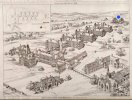
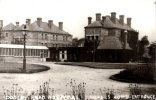
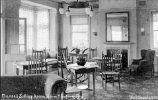
An 1880s view of nursing and their conditions at the Infirmary. The second paragraph describes some aspects of the Nurses Home, including personal 'cubicles'. This is from a Birmingham Daily Post article:
The staff of the infirmary immediately concerned with the treatment of the patients consists of four resident and two visiting medical officers, and seventy-nine nurses. This does not appear to be an extravagant provision when it is remembered that the-sick population of the institution this week numbers 1,186, and that during last winter it ran up to about 1600. The nursing staff includes seven pupil nurses, each of whom pays a fee of £20, and gives her services for twelve months. The impecunious ratepayer will be glad to know that the number of these fee-paying nurses is increasing, and that it is hoped that before long half the staff will be of this class. This, which would mean an income of about £600 a year from fees and the saving of half the present amount of nurses' salaries, would be a small but gratifying set-off against the sins of extravagance which are laid to the charge of the Infirmary Committee. The nurses all take their turn at night duty, for which about twenty-two are required. Nearly all the remainder are required for day duty, which lasts from seven in the morning till nine in the evening. The nurses, however, are allowed three-quarters of an hour for lunch, an hour for dinner, and two hours for recreation each day, and each has the privilege of going out from four till ten once a week.
None of the nurses take their meals in or near the wards, a pleasant messroom being provided on the ground floor of the infirmary and the Nurses' Home, where the matron and her assistants reside, is a distinct building. A very cosy place is this home. Each nurse has a small but comfortably furnished cubicle to herself for a sleeping apartment; there is an elegantly appointed common sitting room, and a thoughtful provision in the shape of a visitors' room is made for the reception of friends of the nurses. The matron and assistant matron of course have private apartments of their own. There is a large staff of male and female attendants for the administrative and domestic work of the infirmary, very little of which is allowed to take up the more valuable time of the nursing staff.