• Welcome to this forum . We are a worldwide group with a common interest in Birmingham and its history. While here, please follow a few simple rules. We ask that you respect other members, thank those who have helped you and please keep your contributions on-topic with the thread.

    We do hope you enjoy your visit. BHF Admin Team

D.N.A. TESTING

I am not surprised that people wish to delete their data, but have a query. Any sensible person, and certainly any company, backs up their data regularly. Would not the backup, which would include the data, still be available to insurance companies or other dubious organisations if they purchased the assets?
 
About halfway through the article...

'According to 23andMe, deleting an account and associated data will permanently delete the data associated with all profiles within the account.'

If that means what it seems to mean I don't know.
 
To my mind, backups save all data at that point and are separate from the source. I accept that there may be ways to delete data in backups, but to my mind that compromises a backup. It should certainly be made clear to those concerned.
 
I am not surprised that people wish to delete their data, but have a query. Any sensible person, and certainly any company, backs up their data regularly. Would not the backup, which would include the data, still be available to insurance companies or other dubious organisations if they purchased the assets?
Makes perfect sense to me!
I would expect someone to have th3 data somewhere!
 
Currently Ancestry won't accept raw DNA data uploads from other company's tests, so anyone with 23 and Me could download their data and keep it for possible future use before deletion. Back up DNA data may belong to the individuals rather than being a company asset. Such data would be covered by the Data Protection act in the UK, but this doesn't apply here.
 
Currently Ancestry won't accept raw DNA data uploads from other company's tests, so anyone with 23 and Me could download their data and keep it for possible future use before deletion. Back up DNA data may belong to the individuals rather than being a company asset. Such data would be covered by the Data Protection act in the UK, but this doesn't apply here.
Most data in the US is only being received through secure portals (larger organizations for now) that are actually “scrubbing” it before anyone can access and then the access is VERY selective.
 
23andme bought...

Sounds like a data purchase to me. The designation "non-profit" is nothing more than a joke or scam. All it means is the company does make money, but the operators have access to lads of cash with little or no accountability. I did some consulting work a few years ago that was a non-profit, to say that I was amazed would be a gross understatement!
 
Does the truth outweigh the heartache?

I'm sure most people don't expect to find out anything like that but as we see some do. If it's about ancestors we never met - great grandparents for some people - it just adds interest to your family history but about people you know/knew it's a different story.

I'm confident that my parents, grandparents and great grandparents are who they are but...
 
I noticed that Ancestry were offering a big price reduction recently so perhaps they are experiencing a drop in custom.

I don't contact any of my 'distant cousins' myself but if someone messages me with family history queries and I can do anything I usually try to help them. So far this has worked out well and I've learned a lot too.
 
Does the truth outweigh the heartache?

I'm sure most people don't expect to find out anything like that but as we see some do. If it's about ancestors we never met - great grandparents for some people - it just adds interest to your family history but about people you know/knew it's a different story.

I'm confident that my parents, grandparents and great grandparents are who they are but...
I agree, the further back stuff is interesting!
 
Does the truth outweigh the heartache?

I'm sure most people don't expect to find out anything like that but as we see some do. If it's about ancestors we never met - great grandparents for some people - it just adds interest to your family history but about people you know/knew it's a different story.

I'm confident that my parents, grandparents and great grandparents are who they are but...
For some reason I am not confident. Both parents and my sister are gone now and I prefer “no surprises”, 40 years ago I might have been interested, but no longer! I am almost relived that the technology and affordability was not available many years ago. I believe it is a personal thing and should be left and respected that way.
PS: I love the subject!
 
  • Appreciate
Reactions: MWS
For some reason I am not confident. Both parents and my sister are gone now and I prefer “no surprises”, 40 years ago I might have been interested, but no longer! I am almost relived that the technology and affordability was not available many years ago. I believe it is a personal thing and should be left and respected that way.
PS: I love the subject!

One day maybe a descendant will discover the truth...that you are who you always thought were. :)

With interesting ancestors from the length and breadth (I think more breadth than length) of the country.
 
One day maybe a descendant will discover the truth...that you are who you always thought were. :)

With interesting ancestors from the length and breadth (I think more breadth than length) of the country.
Thank you for that, it is most appreciated!
 
  • Appreciate
Reactions: MWS
I just listened to this rather heart-warming conversation between Sir Paul Nurse and Prof Tori King. Paul Nurse comes from a working class family, like many of us, and in his 30s discovered his 'sister' was actually his mother. She had died by the time he made his discovery.

Ironically he is a Nobel Prize winning geneticist, but not a specialist in unravelling family history. Nurse was born in 1949 and makes the point that perhaps his generation may the the last to find stigma in illegitimacy. Tori King says that short forms of birth certificate may have been used to disguise illegitimacy and placing teenagers in domestic service in the 1920s and before was often a way of detaching them from the family. Nurse is grateful to his mother and grandparents for their care and this conversation is sensitive and understanding.

 
It is certainly true that that is the reason for short birth certificates. Nom "may of been " about it. My first certificate was a short one . I believe they were also cheaper,
mike i think the short ones were cheaper maybe even free not sure about that though as i maybe thinking about death certs think the first one was free and you paid for any extra ones..someone will know
 
I just listened to this rather heart-warming conversation between Sir Paul Nurse and Prof Tori King. Paul Nurse comes from a working class family, like many of us, and in his 30s discovered his 'sister' was actually his mother. She had died by the time he made his discovery.

Ironically he is a Nobel Prize winning geneticist, but not a specialist in unravelling family history. Nurse was born in 1949 and makes the point that perhaps his generation may the the last to find stigma in illegitimacy. Tori King says that short forms of birth certificate may have been used to disguise illegitimacy and placing teenagers in domestic service in the 1920s and before was often a way of detaching them from the family. Nurse is grateful to his mother and grandparents for their care and this conversation is sensitive and understanding.
I just listened to this rather heart-warming conversation between Sir Paul Nurse and Prof Tori King. Paul Nurse comes from a working class family, like many of us, and in his 30s discovered his 'sister' was actually his mother. She had died by the time he made his discovery.

Ironically he is a Nobel Prize winning geneticist, but not a specialist in unravelling family history. Nurse was born in 1949 and makes the point that perhaps his generation may the the last to find stigma in illegitimacy. Tori King says that short forms of birth certificate may have been used to disguise illegitimacy and placing teenagers in domestic service in the 1920s and before was often a way of detaching them from the family. Nurse is grateful to his mother and grandparents for their care and this conversation is sensitive and understanding.
I just listened to this rather heart-warming conversation between Sir Paul Nurse and Prof Tori King. Paul Nurse comes from a working class family, like many of us, and in his 30s discovered his 'sister' was actually his mother. She had died by the time he made his discovery.

Ironically he is a Nobel Prize winning geneticist, but not a specialist in unravelling family history. Nurse was born in 1949 and makes the point that perhaps his generation may the the last to find stigma in illegitimacy. Tori King says that short forms of birth certificate may have been used to disguise illegitimacy and placing teenagers in domestic service in the 1920s and before was often a way of detaching them from the family. Nurse is grateful to his mother and grandparents for their care and this conversation is sensitive and understanding.
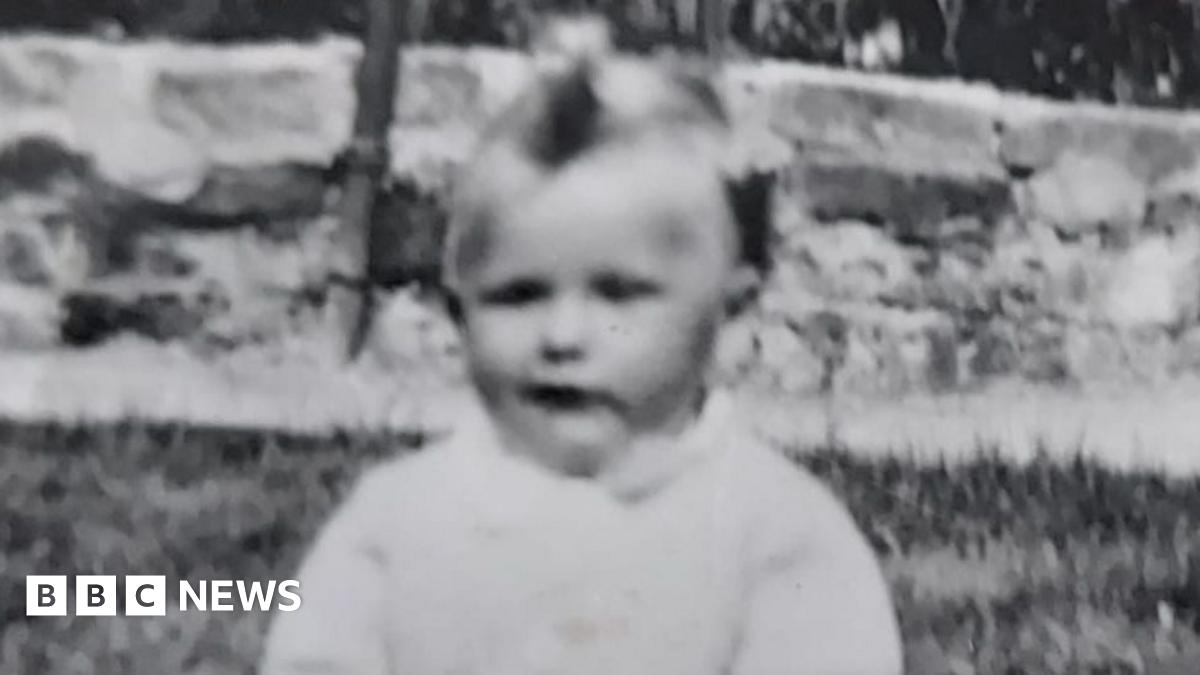
I just listened to this rather heart-warming conversation between Sir Paul Nurse and Prof Tori King. Paul Nurse comes from a working class family, like many of us, and in his 30s discovered his 'sister' was actually his mother. She had died by the time he made his discovery.

Ironically he is a Nobel Prize winning geneticist, but not a specialist in unravelling family history. Nurse was born in 1949 and makes the point that perhaps his generation may the the last to find stigma in illegitimacy. Tori King says that short forms of birth certificate may have been used to disguise illegitimacy and placing teenagers in domestic service in the 1920s and before was often a way of detaching them from the family. Nurse is grateful to his mother and grandparents for their care and this conversation is sensitive and understanding.
Thank you for posting the interview. It held great resonance for my own situation. I was born in 1950 to a young unmarried mother. Brought up in my grandmother's house. Sometimes it was often hidden from some people who my mother was. When my mother got married in 1961 I had to pretend to be the daughter of one of my Mother's friends. I too had a small birth certificate and when my stepfather adopted me and my surname changed I had another one to accompany my adoption certificate. Like Paul Nurse I also had no idea who my biological father was. I started to research and through DNA and a genealogist found out just before I reached 70. I got a copy of my birth certificate with a line across where father's name should have been. Like Paul Nurse my father was a teenager like my Mother and was doing his National Service when he met my Mother. He would not have known that I existed. I now have contact with a half brother and his family. People in the 50s had very different attitudes towards illegitimacy, particularly in Roman Catholic families. I was not baptised until I was 5 years old, so that I could attend our Catholic school.
 
Thank you for posting the interview. It held great resonance for my own situation. I was born in 1950 to a young unmarried mother. Brought up in my grandmother's house. Sometimes it was often hidden from some people who my mother was. When my mother got married in 1961 I had to pretend to be the daughter of one of my Mother's friends. I too had a small birth certificate and when my stepfather adopted me and my surname changed I had another one to accompany my adoption certificate. Like Paul Nurse I also had no idea who my biological father was. I started to research and through DNA and a genealogist found out just before I reached 70. I got a copy of my birth certificate with a line across where father's name should have been. Like Paul Nurse my father was a teenager like my Mother and was doing his National Service when he met my Mother. He would not have known that I existed. I now have contact with a half brother and his family. People in the 50s had very different attitudes towards illegitimacy, particularly in Roman Catholic families. I was not baptised until I was 5 years old, so that I could attend our Catholic school.
thanks for sharing with us....it must have been a very difficult situation for your gran..your mom and of course yourself..but it does seem as though things worked out for you in the end especially having contact with a half brother and family...as you say things were so very different back then and society not so tolerant when a couple of teenagers made a mistake..

all the best

lyn
 
Thank you for posting the interview. It held great resonance for my own situation. I was born in 1950 to a young unmarried mother. Brought up in my grandmother's house. Sometimes it was often hidden from some people who my mother was. When my mother got married in 1961 I had to pretend to be the daughter of one of my Mother's friends. I too had a small birth certificate and when my stepfather adopted me and my surname changed I had another one to accompany my adoption certificate. Like Paul Nurse I also had no idea who my biological father was. I started to research and through DNA and a genealogist found out just before I reached 70. I got a copy of my birth certificate with a line across where father's name should have been. Like Paul Nurse my father was a teenager like my Mother and was doing his National Service when he met my Mother. He would not have known that I existed. I now have contact with a half brother and his family. People in the 50s had very different attitudes towards illegitimacy, particularly in Roman Catholic families. I was not baptised until I was 5 years old, so that I could attend our Catholic school.
Thank you for sharing your personal story with us cba, I'm glad that you were able to make contact with your half brother and his family. We can only have sympathy for your Mother and Grandmother.
Best wishes,
Derek
 
  • Appreciate
Reactions: cba
Back
Top